“I Wake Up With Jaw Pain Every Morning”
| |
“I Wake Up With Jaw Pain Every Morning”
|
Understanding Night Grinding & Clenching
|
| |
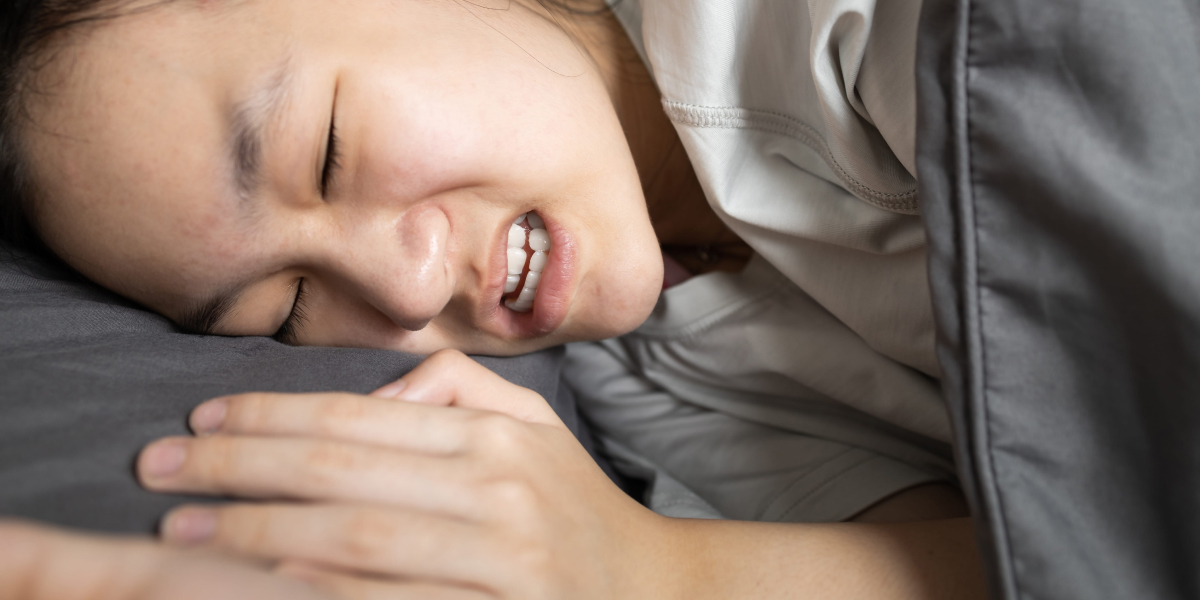
Have you ever woken up with a sore jaw, tight facial muscles, or headaches around your temples? Or maybe your partner has mentioned hearing grinding sounds while you sleep. Many people ignore these signs at first, thinking it is simply stress or poor sleep. But over time, night grinding and clenching — also known as bruxism — can slowly damage the teeth, strain the jaw muscles, and affect daily comfort.
At E&E Dental, we often meet patients who only realise they have this habit after experiencing worn teeth, cracked fillings, jaw pain, or frequent morning headaches.
Let’s explore why night grinding and clenching happen, the effects it can have, and how treatment can help protect your teeth and jaw. |
| |
 |
| |
|
What Is Night Grinding & Clenching?
|
| |
| Night grinding and clenching happen when a person unconsciously tightens, clenches, or grinds their teeth during sleep. Some patients mainly clench with heavy pressure, while others grind their teeth side-to-side. Because it happens during sleep, many people do not realise they are doing it until symptoms start appearing. |
|
| |
Why Does It Happen?
|
| |
| There is usually no single cause. In many cases, it is linked to a combination of factors. |
| |
|
|
|
Stress and Anxiety |
| |
| Stress is one of the most common triggers. After long working hours, emotional stress, or lack of rest, the body may carry that tension into sleep — leading to jaw clenching throughout the night. |
| |
|
|
|
|
|
Bite Imbalance or
Uneven Teeth |
| |
| If the upper and lower teeth do not meet evenly, the jaw muscles may constantly try to compensate, causing clenching or grinding habits during sleep. |
| |
|
|
| |
|
|
|
Poor Sleep Quality |
| |
| Conditions such as poor sleep patterns or sleep apnea may also contribute to night grinding and clenching. |
| |
|
|
|
|
|
Lifestyle Factors |
| |
| High caffeine intake, smoking, alcohol, and irregular sleeping habits may worsen the condition. |
| |
|
|
|
| |
What Happens If It Is Left Untreated?
|
| |
| Night grinding and clenching can slowly cause damage over time. |
| |
| Some common effects include: |
| |
|
|
| |
Worn down or
shortened teeth |
| |
|
|
|
|
|
|
| |
|
|
|
|
|
| |
Jaw soreness and
facial muscle tension |
| |
|
|
|
|
| |
Clicking or pain in
the jaw joint (TMJ) |
| |
|
|
| |
| Some patients describe it as feeling like their jaw has been “working all night.” |
|
| |
Treatment Options for
Night Grinding & Clenching
|
| |
| At E&E Dental, treatment is tailored based on the severity of the condition and the amount of damage already present. |
| |
 |
|
| |
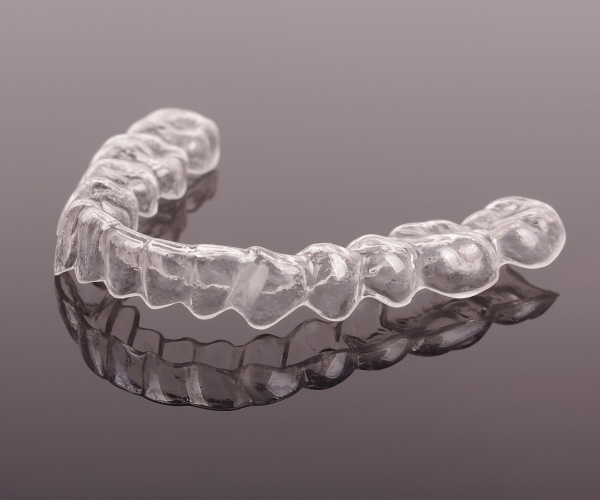
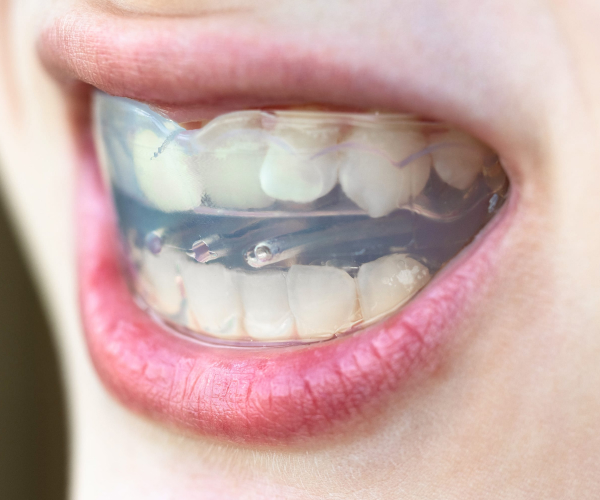
A custom-made night guard is one of the most common treatments.
It is worn during sleep to protect the teeth from excessive grinding forces and reduce strain on the jaw muscles and joints.
Compared to over-the-counter guards, custom night guards fit more comfortably and accurately to your bite. |
|
|
| |
|
|
|
Botox for Overactive
Jaw Muscles |
| |
For patients with strong clenching habits or enlarged jaw muscles, Botox treatment for the masseter muscles can help reduce excessive muscle force.
By relaxing the overactive muscles, patients may experience: |
| |
 |
|
Reduced jaw tension |
| |
|
|
Less morning soreness |
| |
|
|
Fewer headaches from clenching |
| |
|
|
Reduced pressure on the teeth |
|
| |
| Many patients also notice their jaw feels more relaxed during sleep. |
|
|
 |
|
| |
 |
|
|
|
|
Laser Therapy for
Inflamed Muscles |
| |
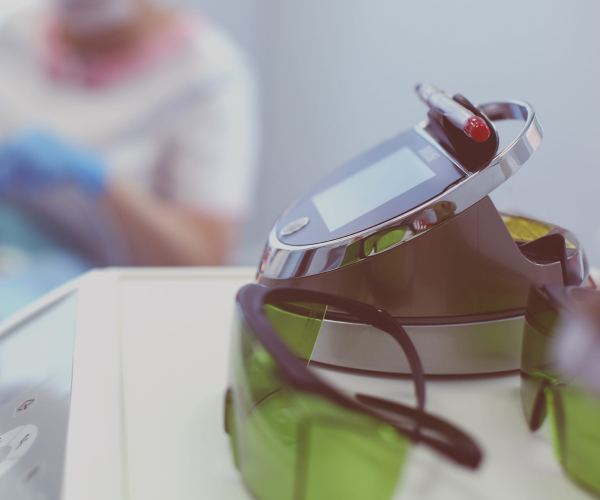
Night clenching can overwork the jaw muscles and surrounding tissues, causing inflammation and tenderness.
Laser therapy may help soothe inflamed muscles, improve circulation, and promote faster healing in painful areas around the jaw and face.
Patients often find it helpful for relieving muscle tightness and discomfort. |
|
|
| |
|
|
|
Bite Correction &
Dental Treatment |
| |
If bite imbalance is contributing to the problem, correcting the bite may help reduce stress on the jaw.
Depending on the condition, treatment may include: |
| |
|
|
Bite adjustment |
| |
|
|
Aligners or braces |
| |
|
|
Replacing worn restorations |
| |
|
|
Restoring damaged teeth with fillings or crowns |
|
|
|
 |
|
| |
 |
|
|
|
|
Managing Stress &
Lifestyle Habits |
| |
Because stress is a major trigger, improving sleep habits and reducing daily tension can sometimes greatly reduce clenching habits.
Simple changes such as better sleep routines, reducing caffeine at night, and jaw relaxation exercises may help. |
|
|
|
| |
When Should You Get Checked?
|
| |
| You should consider seeing a dentist if you: |
| |
|
|
| |
Wake up with jaw pain
or headaches |
| |
|
|
|
|
| |
| Notice worn or chipped teeth |
| |
|
|
|
|
| |
Experience tooth
sensitivity |
| |
|
|
| |
|
|
|
|
|
| |
Hear clicking sounds
from the jaw |
| |
|
|
|
|
| |
Have been told you grind
your teeth during sleep |
| |
|
|
|
| |
Final Thoughts
|
| |
Night grinding and clenching are more common than many people realise. While the symptoms may seem mild at first, the long-term pressure on the teeth and jaw can eventually lead to more serious dental problems if left untreated.
At E&E Dental, our goal is not only to protect your teeth, but also to help you feel more comfortable, sleep better, and prevent long-term damage to your smile and jaw health. If you suspect you may be grinding or clenching your teeth at night, an early assessment can help identify the signs before the damage becomes more severe. |
| |
 |
| |
|